
What Age Should My Child Start Dance Classes?
If you’re starting to look into dance classes for your child, one of the first questions that often comes up is: “What age is the right age to begin?”
It’s a completely normal question and also one that doesn’t have a single fixed answer. Each child develops at their own pace, and the “right” time to start is less about a specific age and more about your child’s confidence, interest, and readiness.
Some children are keen to join in from a very young age, while others take a little longer to feel comfortable and do you know it, both are absolutely fine.
What really matters is finding a dance class where your child will feel happy, supported, safe and able to grow at their own pace.
What Age Can Toddlers Start Dance Classes?
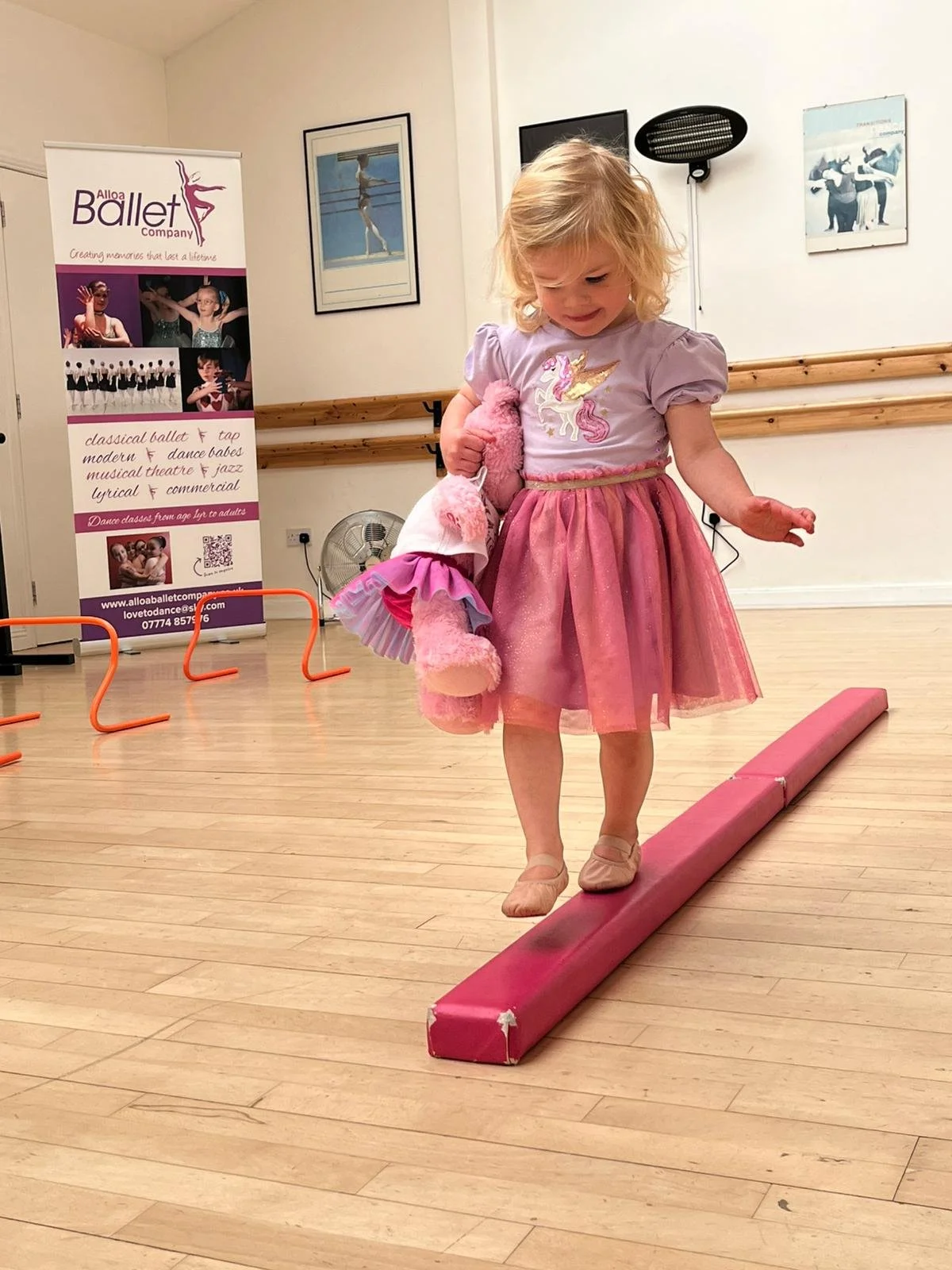
Between the ages of 1 - 3 years, this is where your wee one is starting to wander around becoming more independent and adventurous. This is when dance is all about movement, music, and exploration.
Classes for this age are designed to be gentle, playful, and engaging, usually with a parent or carer involved to help children feel secure and enables time for the parent / guardian (sometimes even the grandparents) to bond and dance together. . . something that oftens gets missed in the day to day grown up world.
You’ll usually see activities like:
Simple movement and coordination games
Dancing to music and exploring rhythm
Following along with basic actions
Interacting with other children in a group
Repetition
At this age, the focus isn’t on technique - it’s about building confidence, enjoyment, and familiarity with a class environment.
What About Dance Classes for 3-5 Year Olds?
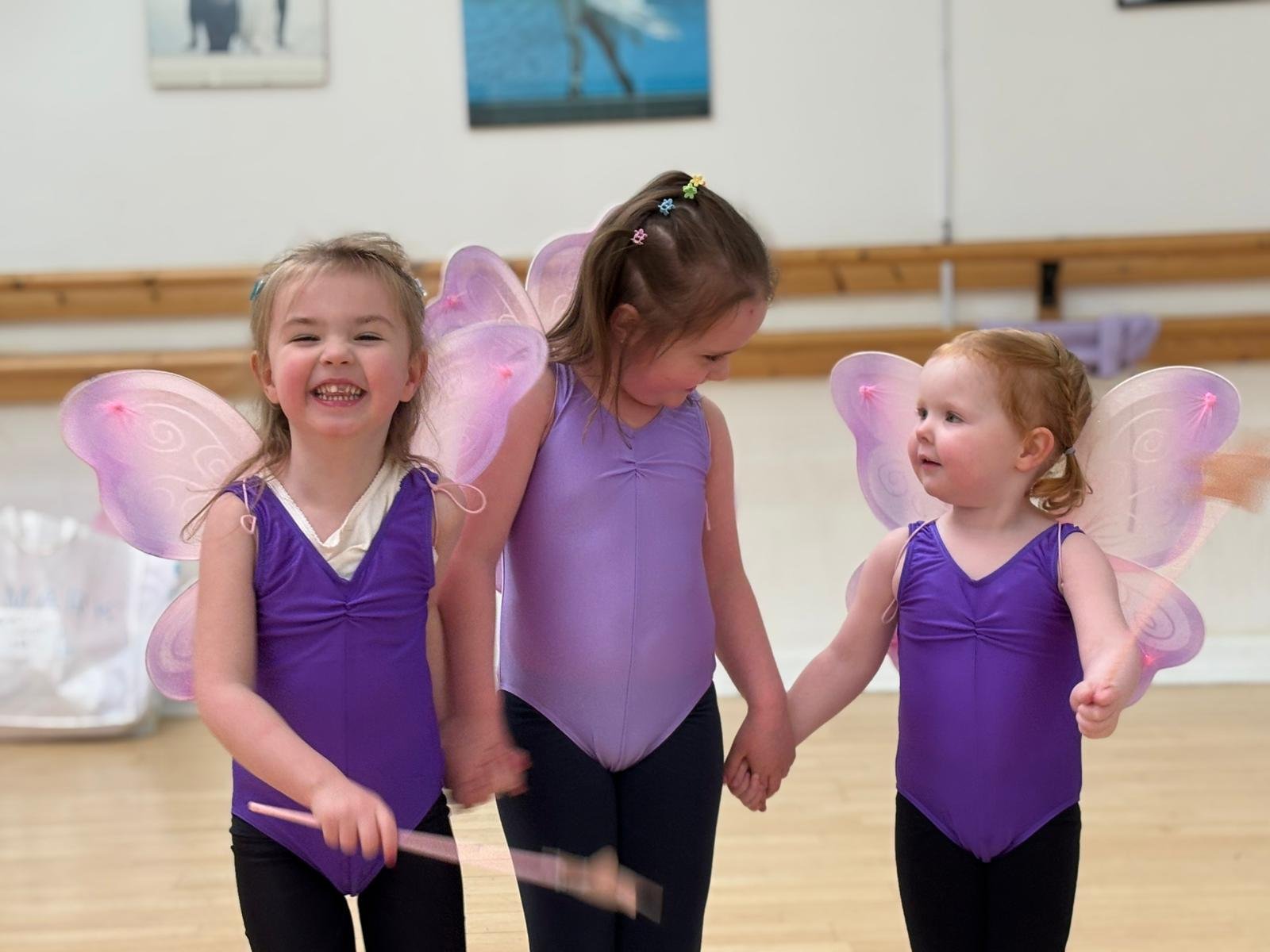
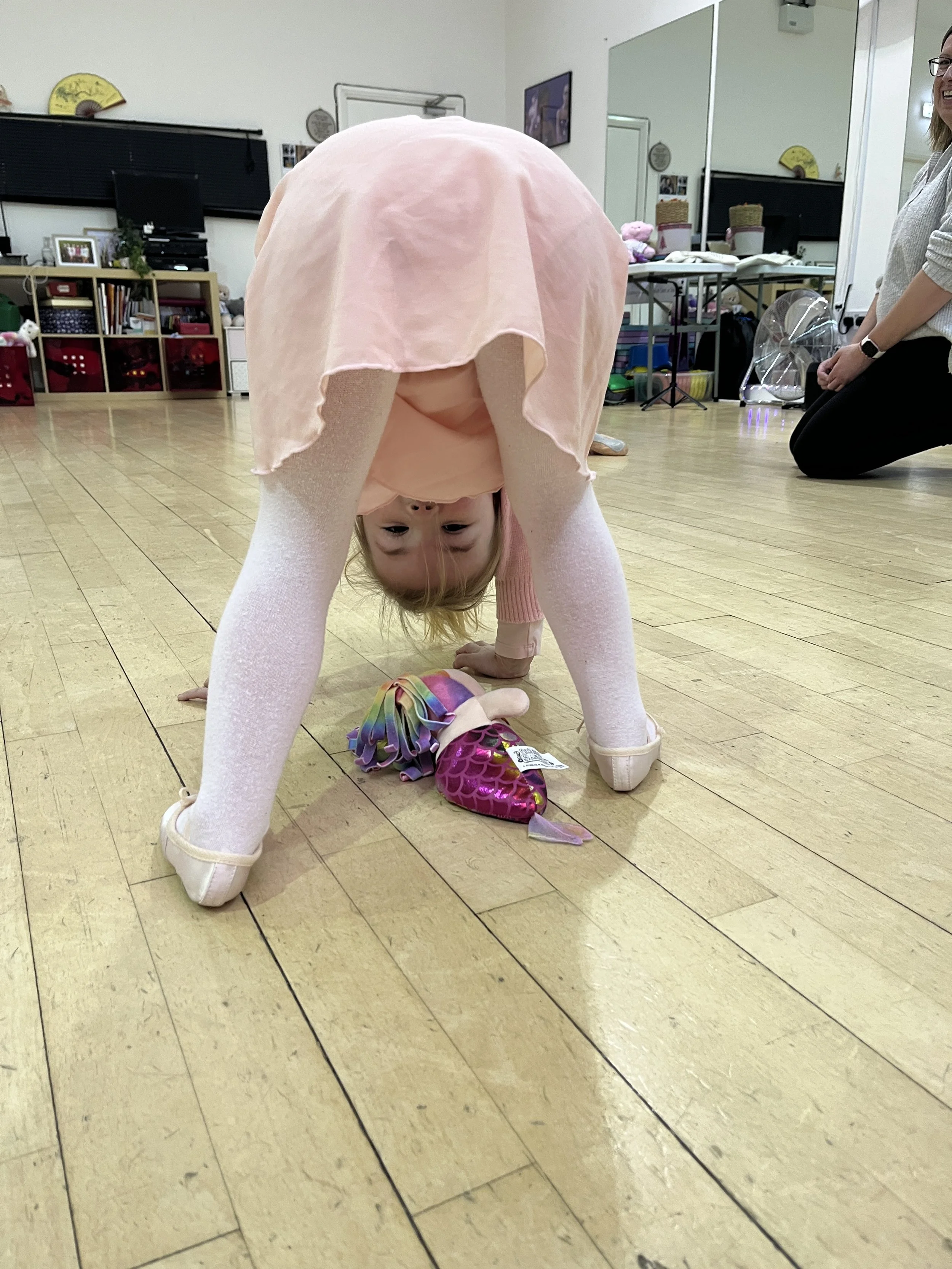
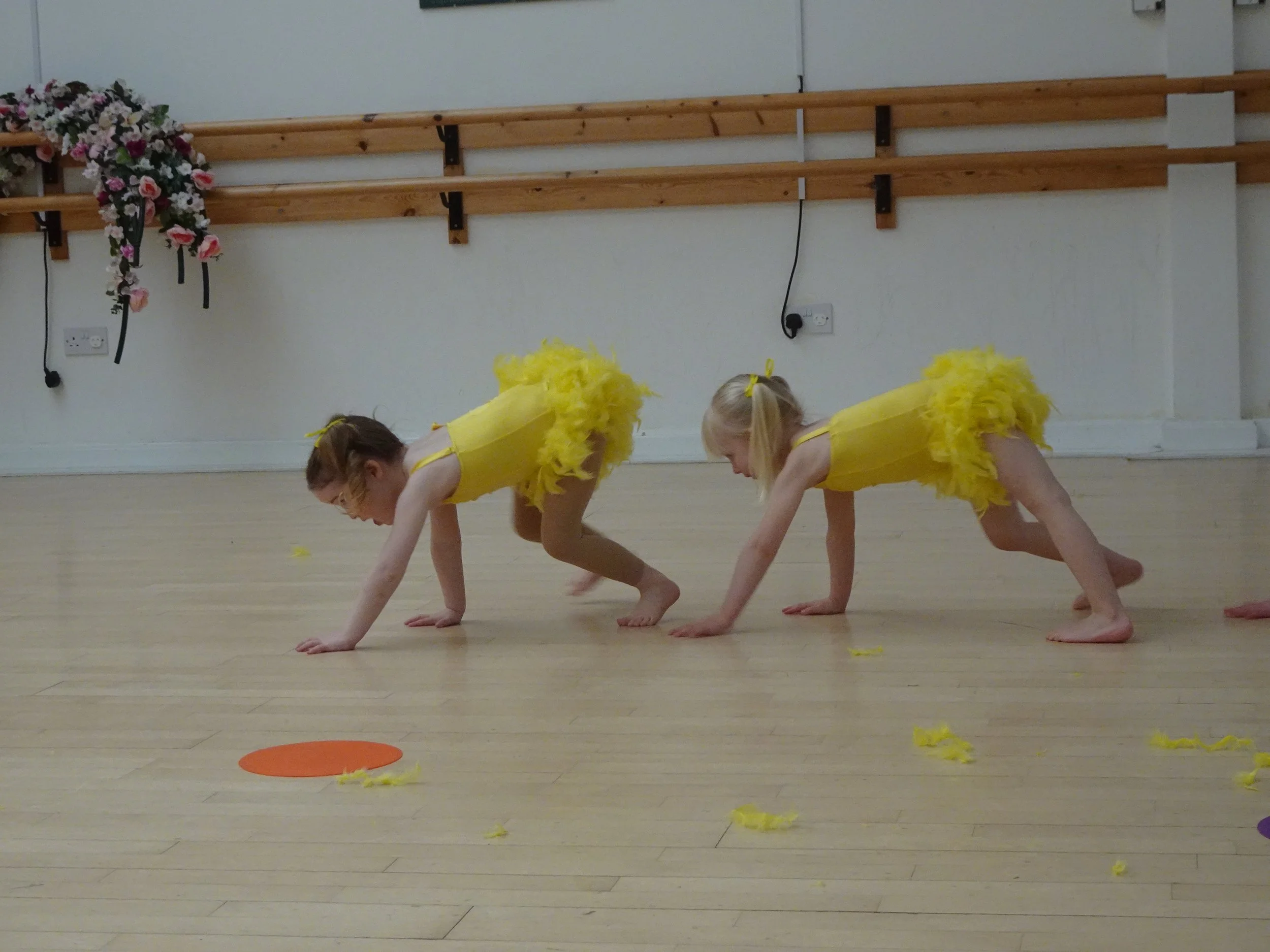
This is often the stage where children begin to attend classes on their own, and many parents find this is a lovely time to start.
Children at this age are usually ready to follow simple instructions and take part in more structured activities, while still keeping things fun and imaginative.
In class, you might see:
Basic dance movements introduced in a simple way
Storytelling and imaginative exercises
Games that encourage coordination and listening
Short, simple routines
At this stage, children often begin to settle into the routine of weekly classes and start to feel a sense of independence and belonging, with growing friendships.
This period can also be a really helpful support as they prepare for starting primary school. Learning to follow instructions, join in group activities, take turns, and separate confidently from a parent are all skills that transfer naturally into the school environment. Many parents find that attending classes helps their child build confidence in these areas in a gentle, familiar way.
This is also a lovely time for parents to socialise with adults whilst waiting in the waiting area. A time for parents to also develop friendships too.
It’s also when many children begin to develop a real sense of confidence - both in themselves and in being part of a group.
Primary School Age (Around 5–8 Years)
As children grow, they’re ready for a bit more structure and can begin developing technique more intentionally.
This is often when children start exploring different styles such as ballet, tap, acro, or musical theatre, depending on what they enjoy most.
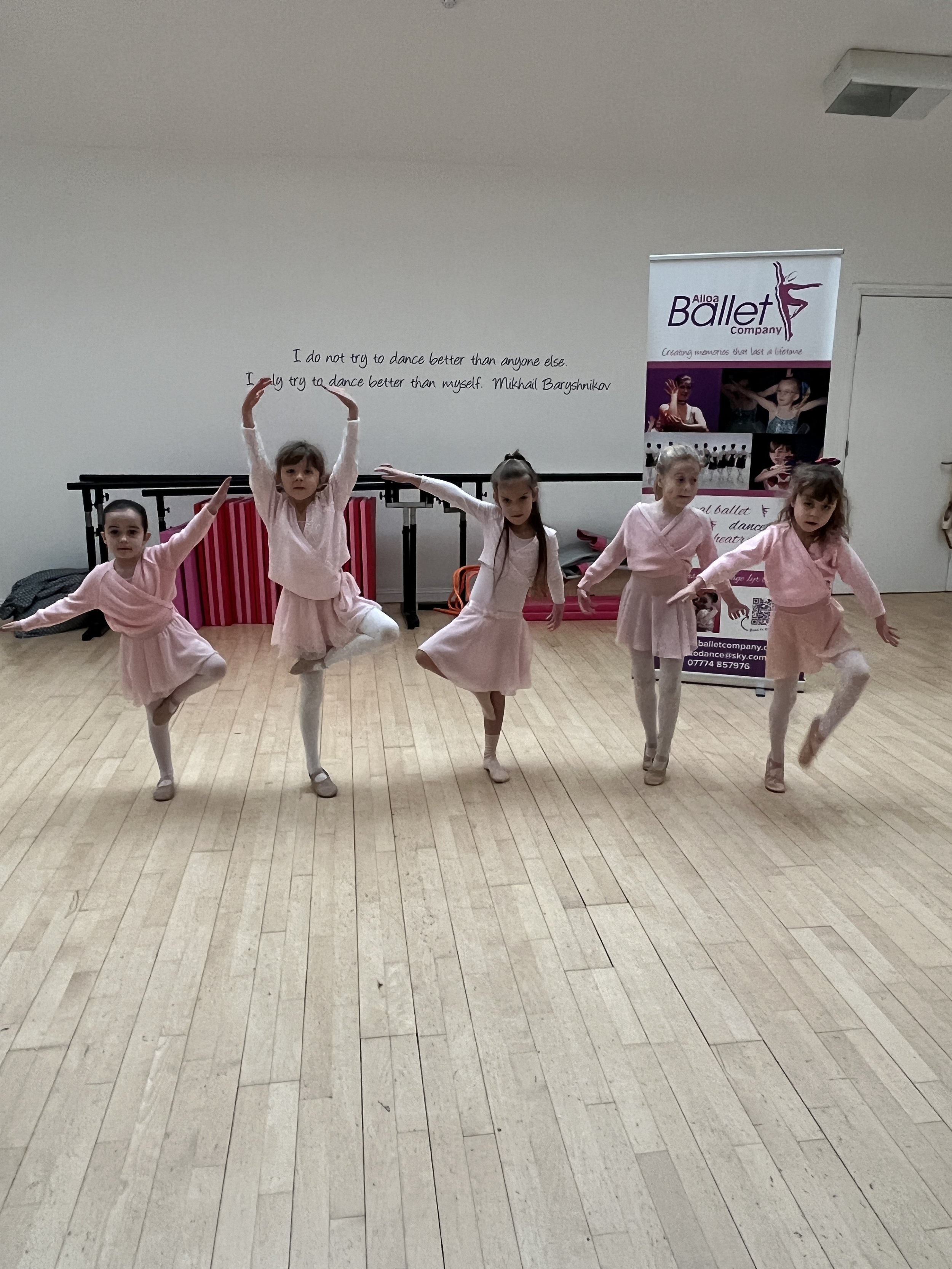
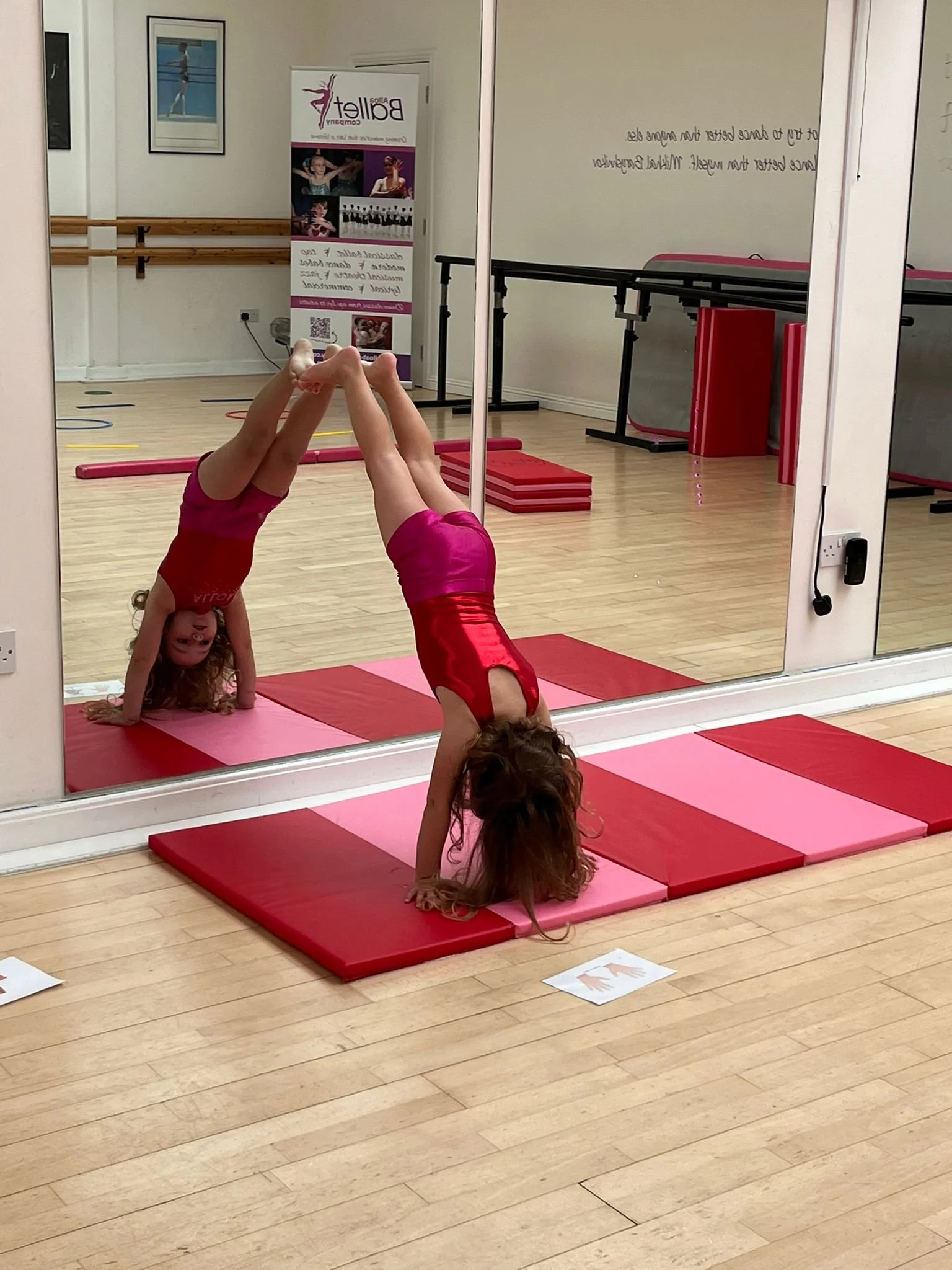
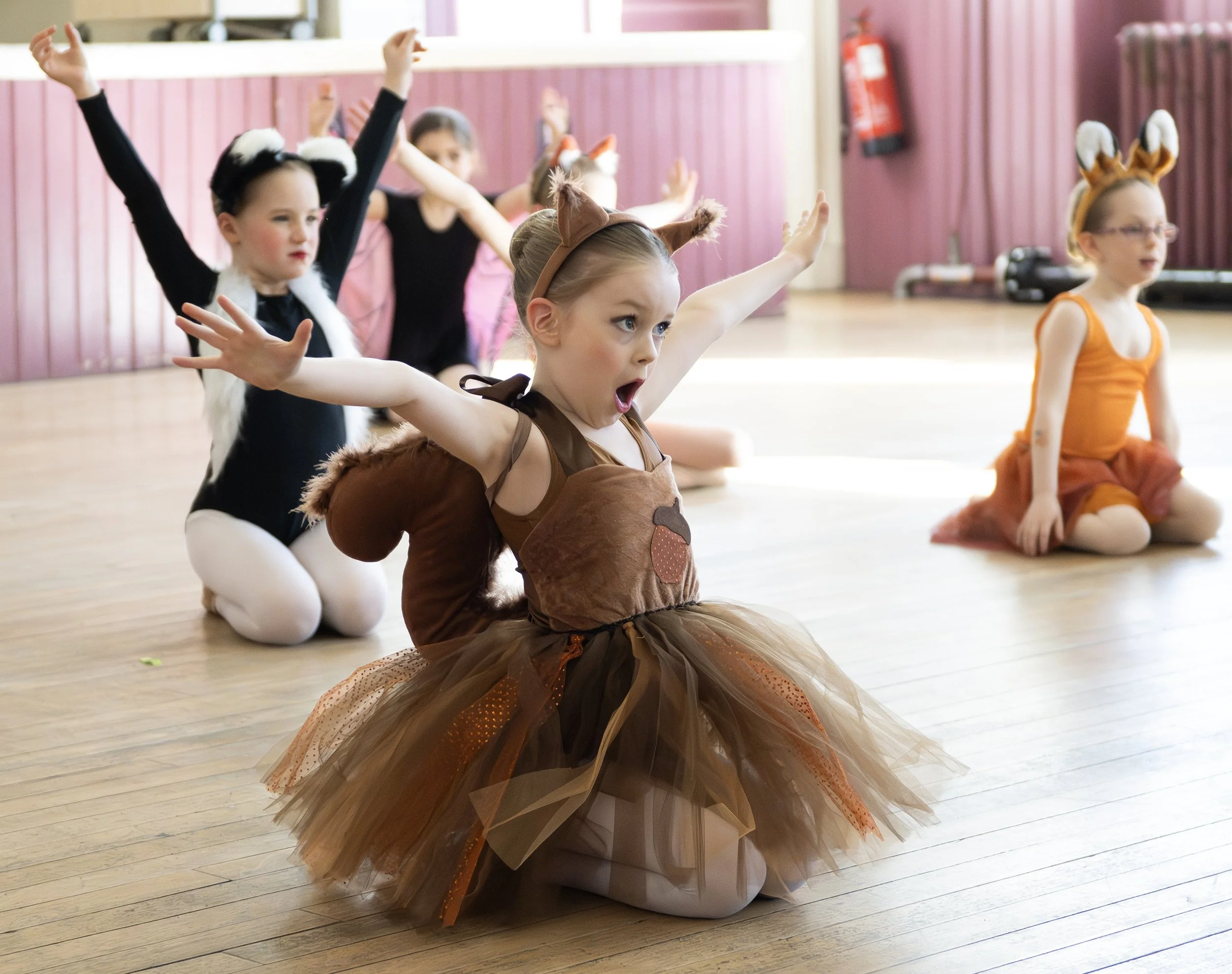
Classes at this stage tend to focus on:
Building strong foundational technique
Developing strength, flexibility, and coordination
Learning sequences and short routines
Progressing through levels over time
Children often begin to feel a real sense of achievement here, especially as they start to see their progress and develop new skills.
Older Beginners (8+ Years)
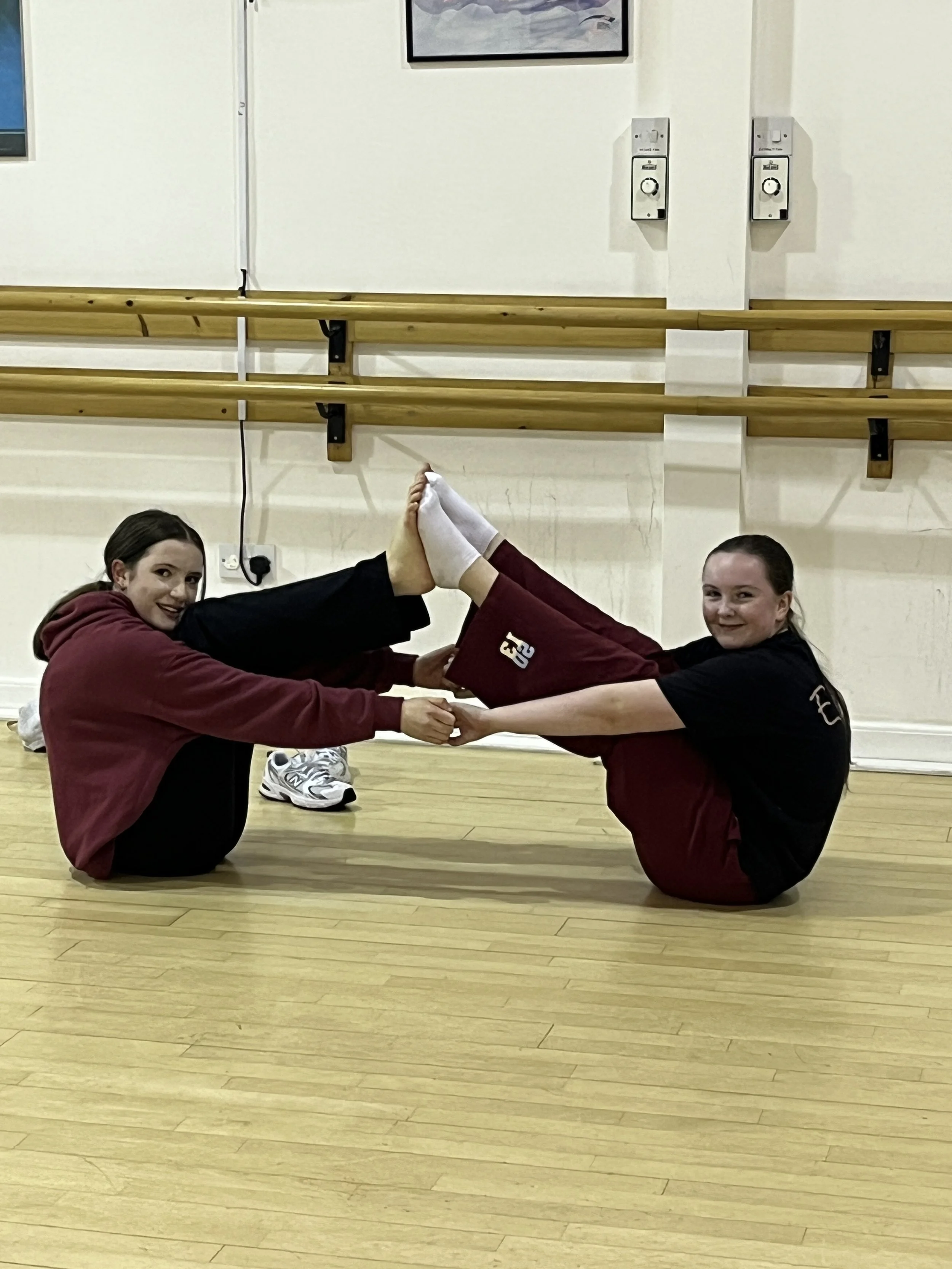
Remember though, it’s never too late to start dance.
Older children who are new to dance often bring focus, determination, and a willingness to learn, which can help them progress quickly.
Classes for older beginners are usually structured to:
Introduce foundational technique in a supportive way
Build strength and flexibility
Allow children to learn at a pace that suits them
Help them feel comfortable joining a new environment
Many children who start later go on to really enjoy dance and make excellent progress. At Alloa Ballet Company, children are placed in age appropriate classes to ensure that they too feel comfortable and supported. This is something that we know parents can feel worried about, that their child will be placed with much younger children. We realise that older children need to be with similar aged peers, to fully develop and extend their skills.
How Do You Know If Your Child Is Ready?
Instead of thinking about age, it can help to think about your child’s readiness and confidence.
Some helpful signs include:
They enjoy music, movement, or dancing at home - even it they have never been to a dance class before!
They’re able to follow simple instructions
They feel comfortable joining in group activities
They show curiosity or interest in dance
If your child is unsure at first, that’s very normal. Confidence often builds once they’re in a welcoming class environment and have had the chance to try it for themselves. Most dance classes, especially for the younger children, have senior students as class assistants, who are there to support and assist with those children that may initially be unsure, shy or unsettled. It is often that beautiful bonds are formed at these stages between the children and the class assistants that last for many years.
Similarly, at Alloa Ballet Company, we understand that some young children require the support from their parents in their initial classes and we allow this, as we know that every child is different and this ensures that this never becomes a barrier to dance. We often see such children leave their parents side and begin dancing independently with a huge smile in the first class!
The Benefits of Dance for Children
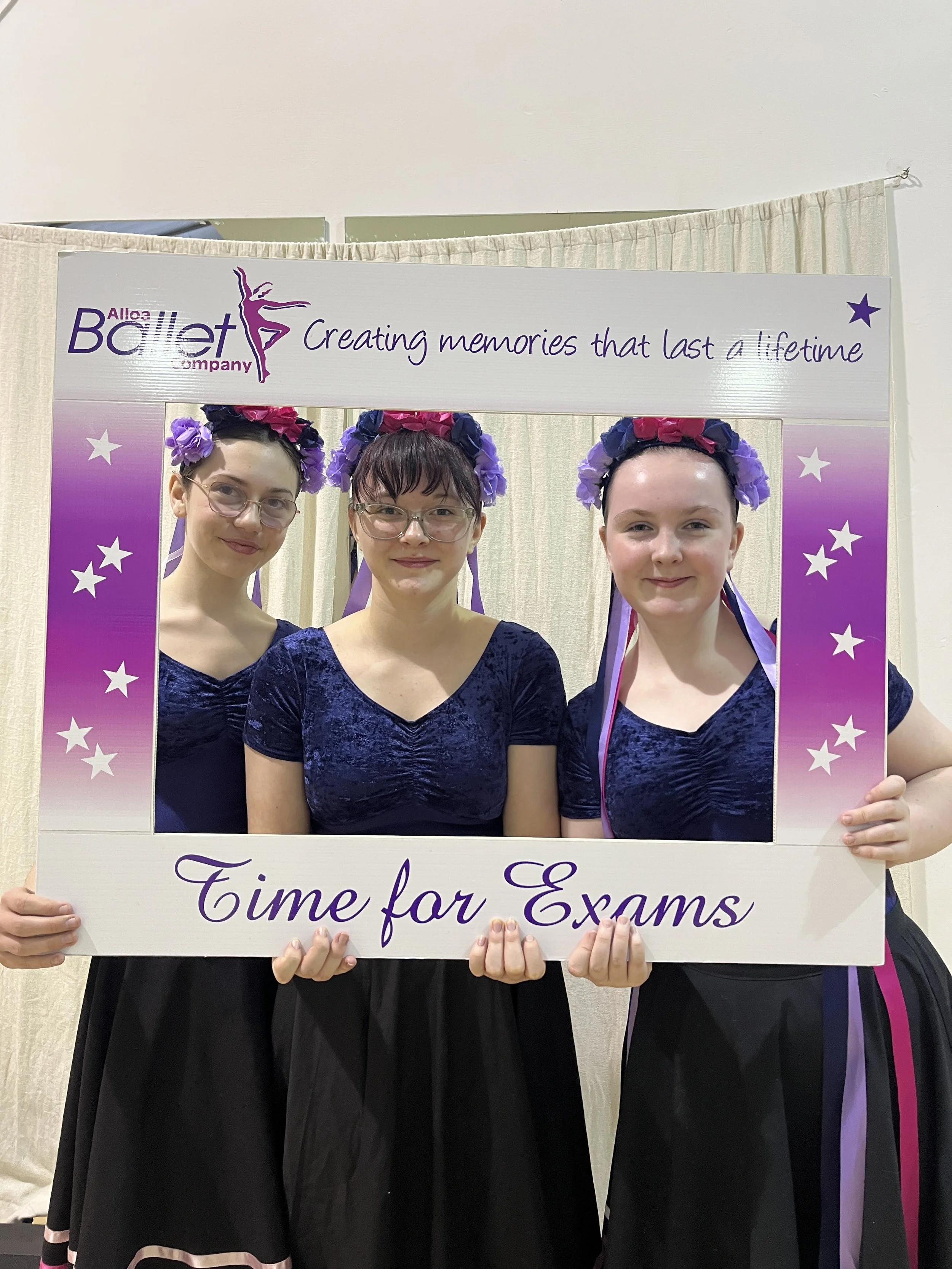
Dance isn’t just about learning steps or routines, dance supports children in so many meaningful ways:
Builds confidence and self-esteem
Improves coordination, strength, and flexibility
Encourages creativity and expression
Helps develop focus and listening skills
Supports social skills and teamwork
Encourages resilience and perseverance
Just as importantly, it gives children a space where they can be themselves, make friends, and enjoy something that’s just for them.
Frequently Asked Questions
What is the best age to start dance?
Many children begin dance between 3 and 5 years old, when they are ready to attend independently and follow simple instruction. However, younger children can start with parent-supported classes, and older children can begin at any time.
Is it too late for my child to start dance?
Not at all. Children can start at any age. Classes are structured to support beginners, even if they have no previous experience.
What should my child wear to their first class?
Comfortable clothing that allows movement is usually fine for a first class. If your child continues, guidance on uniform is provided.
How do I choose the right class?
The best class depends on your child’s age, confidence, and interests. If you’re unsure, trying a class is often the easiest way to see what suits them.
Final Thoughts
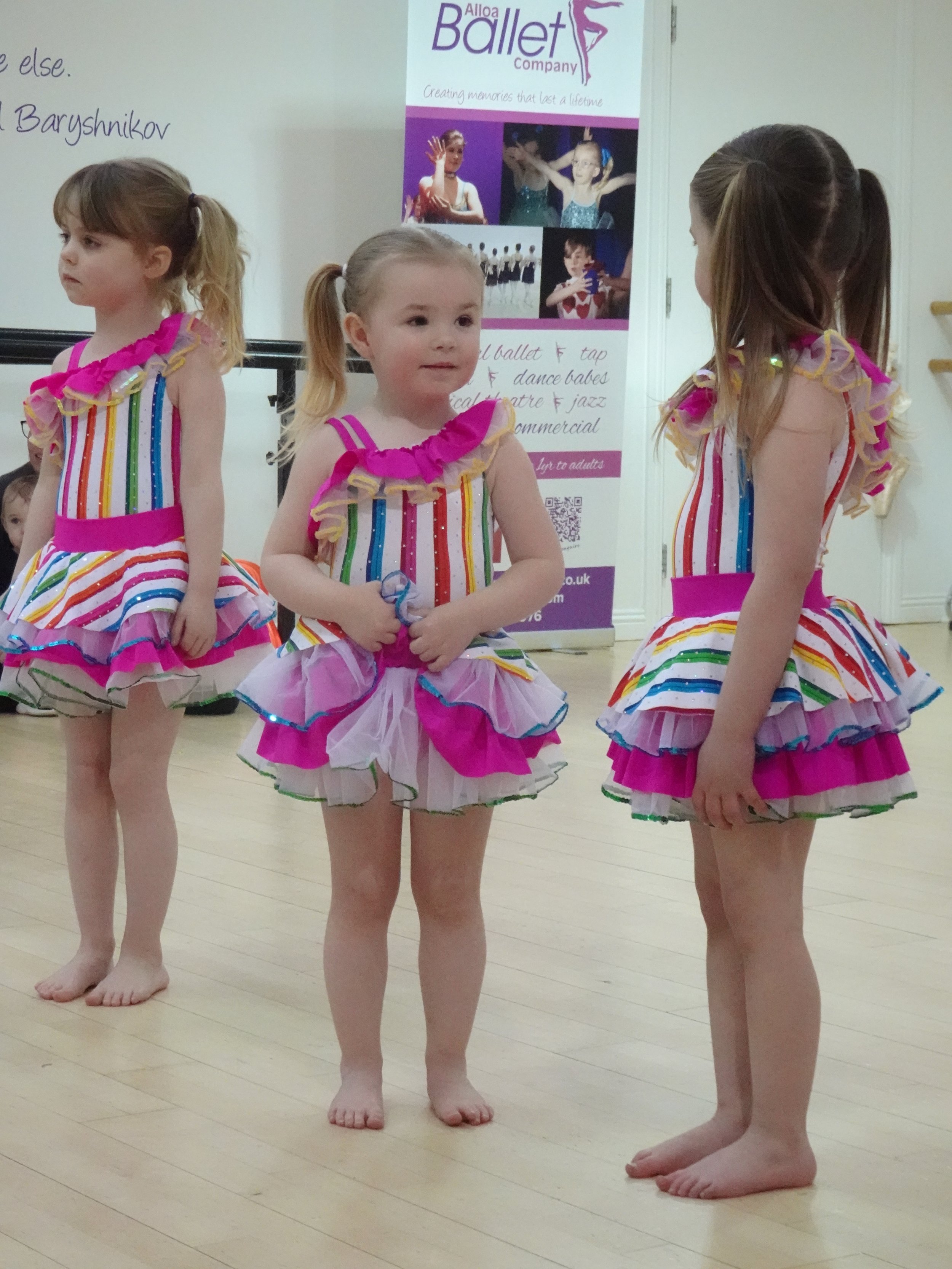
There really isn’t a single “perfect” age to start dance.
The best time is when your child feels ready, curious, and comfortable enough to give it a try.
Some children take their first steps into dance as toddlers, while others join later - and both journeys are equally valid.
What makes the difference is not when they start, but the environment they start in.
A supportive, encouraging class can have a huge impact on a child’s confidence and enjoyment. That kind of environment is exactly what we strive to create at Alloa Ballet Company - where children are supported, guided, and encouraged to grow at their own pace, while feeling part of a welcoming and positive community from the very beginning.